
DISCOVER
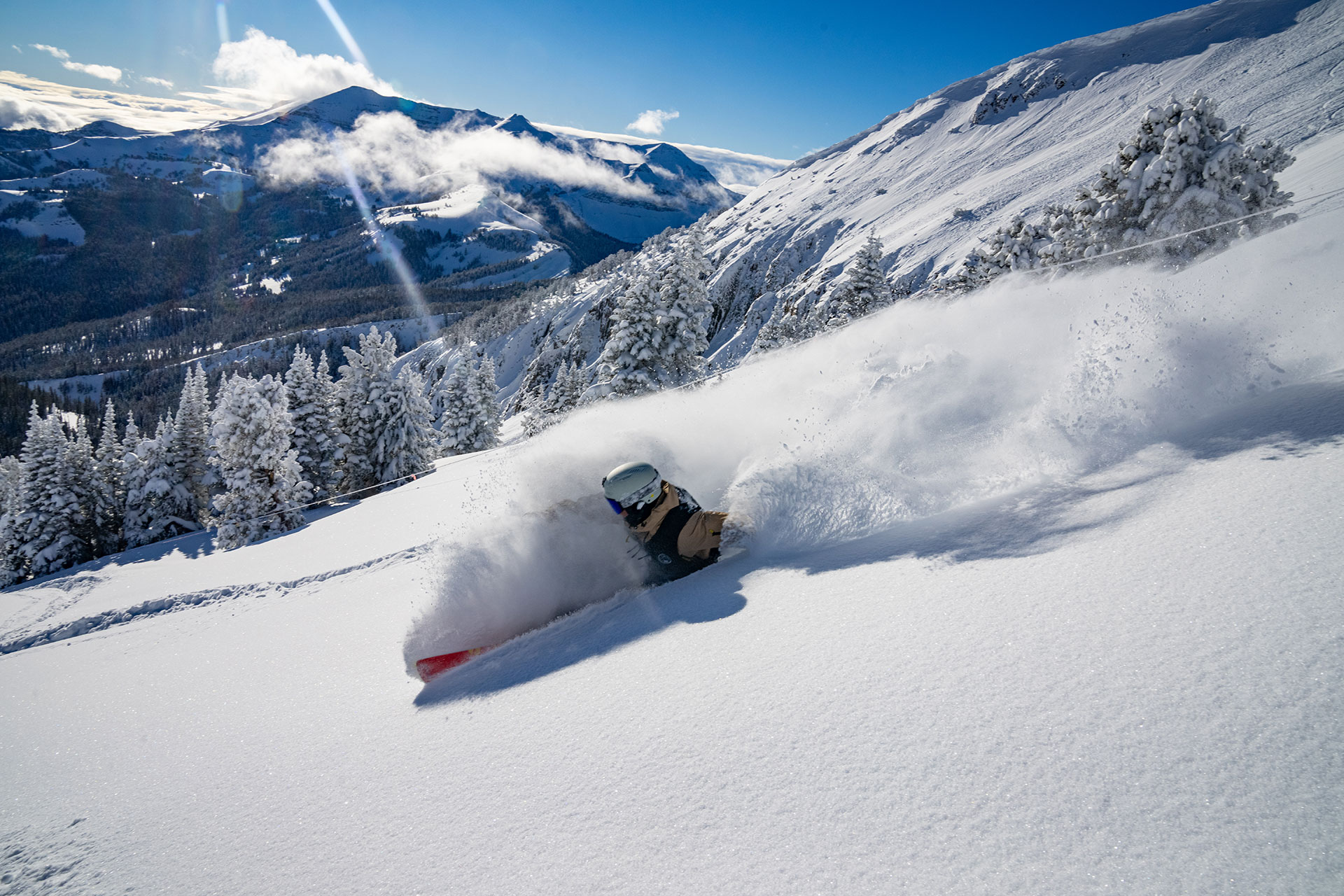
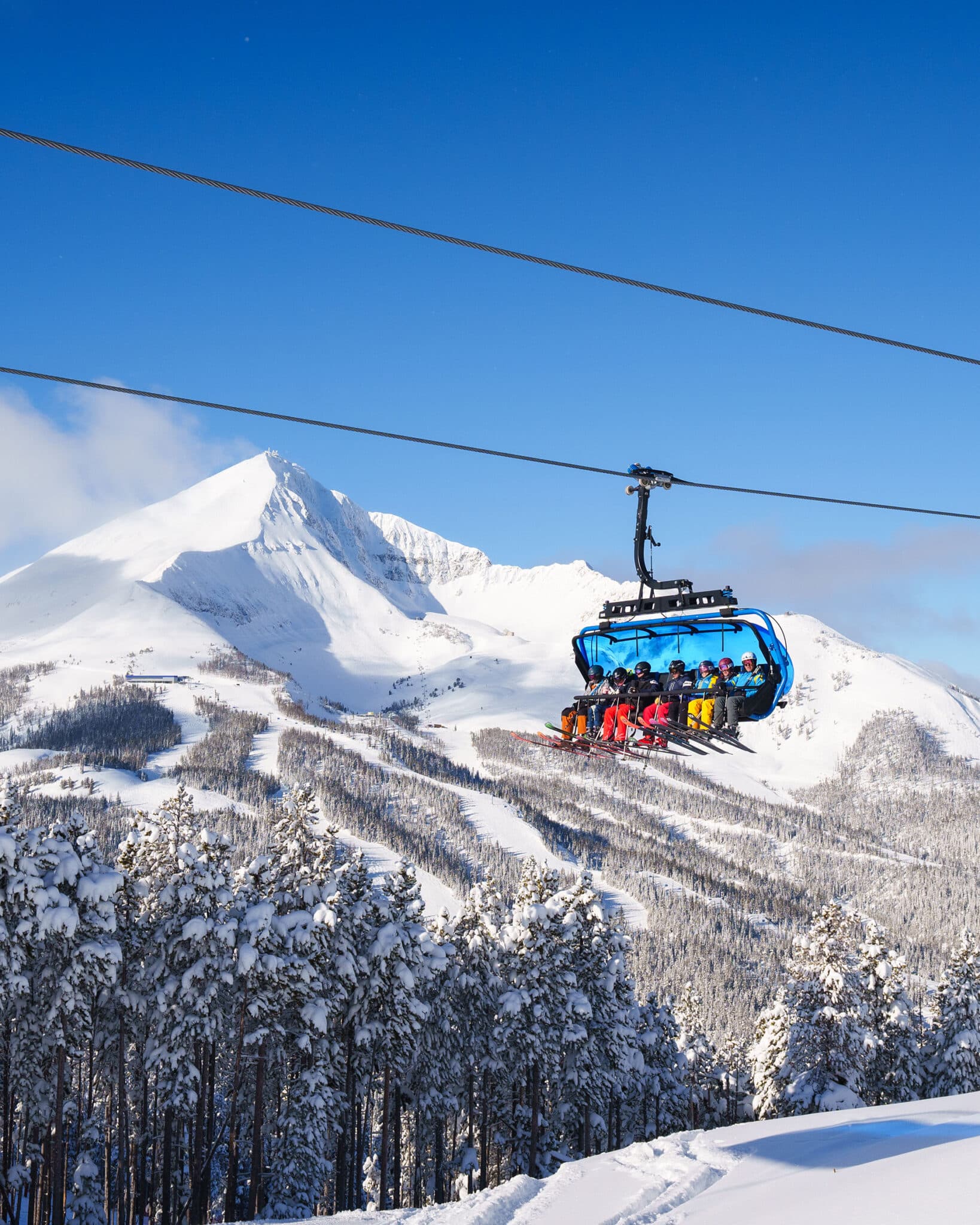
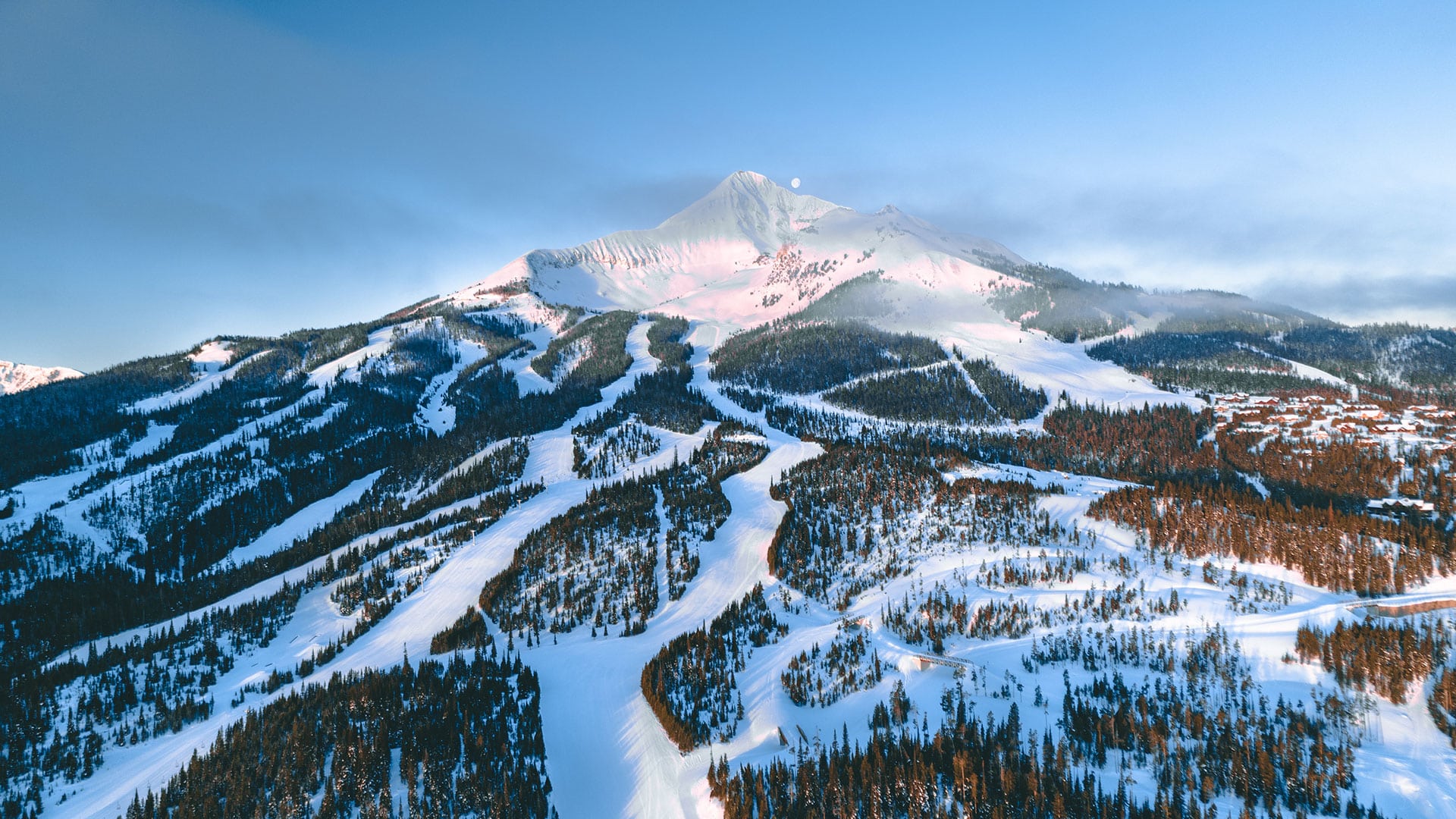
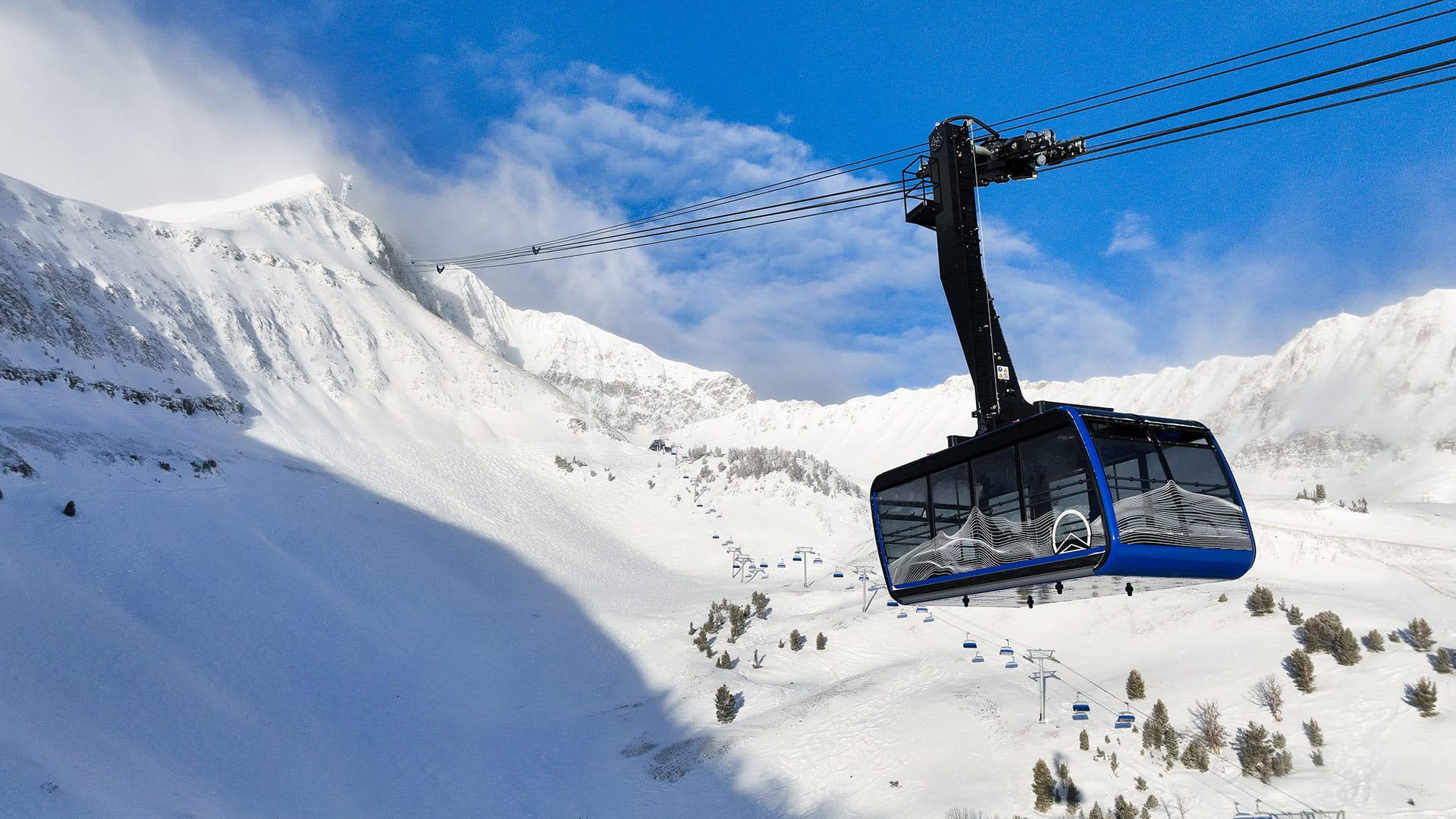
Lone Mountain Ranch sits at the doorstep of Big Sky Resort—one of North America’s premier ski destinations. With 5,850 acres of skiable terrain, 300 named runs across four interconnected mountains, and North America’s longest continuous vertical drop at 4,350 feet, Big Sky offers exceptional skiing without the crowds that define most major resorts.
BIG SKY, MONTANA
LUXURY LIFTS & GONDOLAS
CHOOSE YOUR ADVENTURE
LUXURY TRANSPORATION
WORLD-CLASS CROSS COUNTRY SKIING
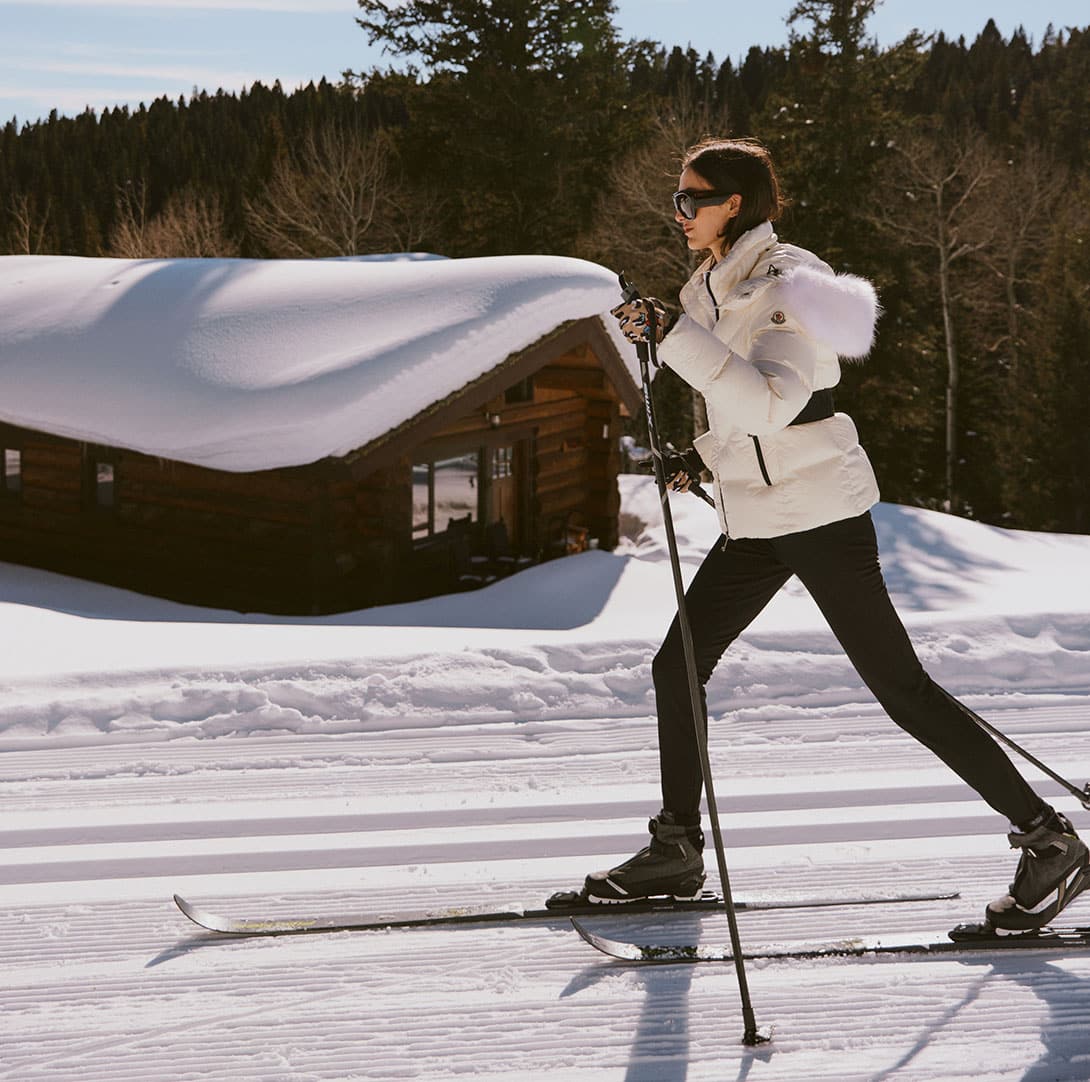
While Big Sky Resort anchors the region’s alpine skiing, the ranch itself offers 85 kilometers of groomed Nordic trails that wind through old-growth forest and open meadows. The contrast between the two experiences proves complementary—the intensity and speed of downhill balanced by Nordic skiing’s meditative rhythm and wilderness immersion.
PLAN A TRIP TO BIG SKY
DISCOVER LONE MOUNTAIN RANCH
Effortless Skiing. Private Luxury Cabins. Historic Soul.
LEARN MORE
The “best” time depends on your preferences. Summer (June-August) offers full road access, all services, and warmer weather, but it’s also the busiest. Spring (April-May) and Fall (September-October) offer fewer crowds, good wildlife viewing opportunities, and vibrant colors, though some roads and services may be limited. Winter (November-March) provides a unique, snowy experience with access primarily via snowcoach or snowmobile, and limited open entrances.
Yellowstone National Park’s boundary is just a short 18 miles from Lone Mountain Ranch. There are several beautiful trails for horseback riding and hiking around this area including the Bacon Rind Trail, Big Horn Pass & Fawn Pass. The famous “West Gate”, located in West Yellowstone, Montana, about 45 minutes from Lone Mountain Ranch, is the main entrance where most Lone Mountain Ranch based tours begin.
Yellowstone National Park is vast! It encompasses approximately 3,472 square miles (or about 2,221,766 acres). To put that into perspective, it’s larger than the states of Rhode Island and Delaware combined.
No, swimming or soaking in Yellowstone’s hot springs and other thermal features is strictly prohibited due to extreme temperatures, fragile formations, and dangerous toxic gases. There are developed hot springs outside the park, like Yellowstone Hot Springs and Chico Hot Springs, where soaking is allowed.
Old Faithful erupts approximately every 90-92 minutes, though the exact interval can vary by about 10 minutes depending on the duration of the previous eruption. Check prediction boards at the Old Faithful Visitor Education Center for the most accurate current times.
Lamar Valley (in the northern part of the park) and Hayden Valley (in the central part) are renowned for wildlife viewing, particularly for bison, elk, and often wolves and bears. The early morning and late evening hours are generally the best times for sightings when animals are most active.
Always maintain a safe distance from wildlife. The park requires visitors to stay at least 100 yards (91 meters) away from bears and wolves, and at least 25 yards (23 meters) away from all other animals, including bison and elk. Never feed wildlife, and never approach them.
Don’t miss the Grand Prismatic Spring (Midway Geyser Basin) for its vibrant colors, Mammoth Hot Springs for its travertine terraces, and Norris Geyser Basin for its diverse and active features, including Steamboat Geyser (the world’s tallest active geyser, though eruptions are infrequent).
Yellowstone’s front-country attractions are quite accessible, with many thermal features viewed from well-maintained boardwalks and paved paths. Parking lots often have disabled spots and accessible restrooms. An “Accessibility Guide” is available at entrance gates and visitor centers.
No, there is no public transportation within Yellowstone National Park. Most visitors explore by private vehicle. Guided bus tours are available.
Yes, fishing is permitted in Yellowstone National Park with a valid Yellowstone National Park fishing permit and a state fishing license for the state in which you are fishing (Wyoming, Montana, or Idaho, depending on the body of water). Regulations vary by location, so check current rules.
Carry bear spray and know how to use it. Make noise while hiking to avoid surprising animals. If you encounter a bear, make yourself look as large as possible and back away slowly. Do not run. If a bear charges, use your bear spray. For other large animals like bison or elk, give them a wide berth and never approach.
Cell service in Yellowstone is generally limited and spotty, especially outside of major developed areas like Old Faithful, Canyon Village, and Mammoth Hot Springs. Don’t rely on it for navigation or emergencies. Download maps and information before you arrive.